Kozytskyi Charity Foundation Supports a Landmark Event for Ukraine
07.09.2026
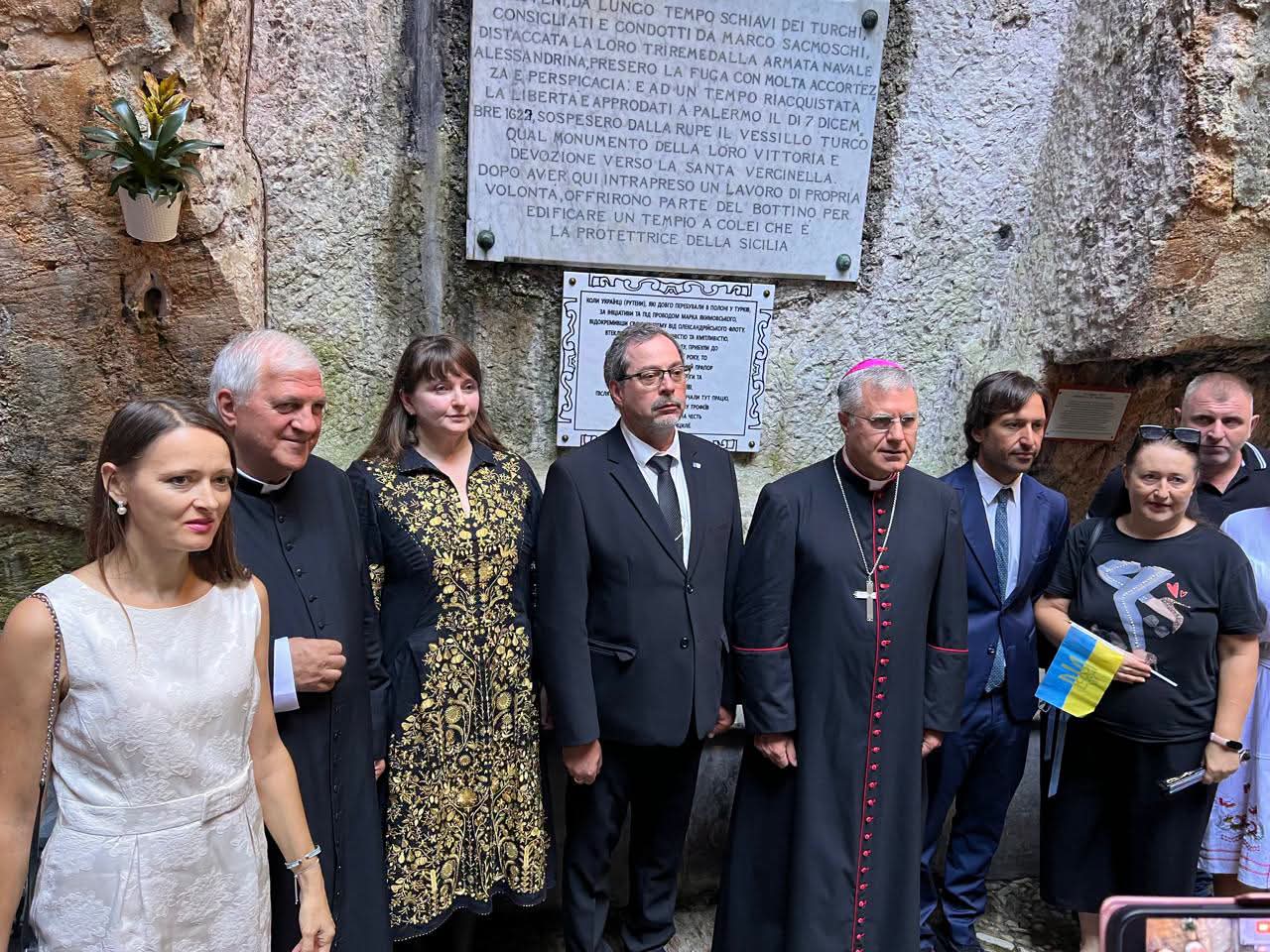
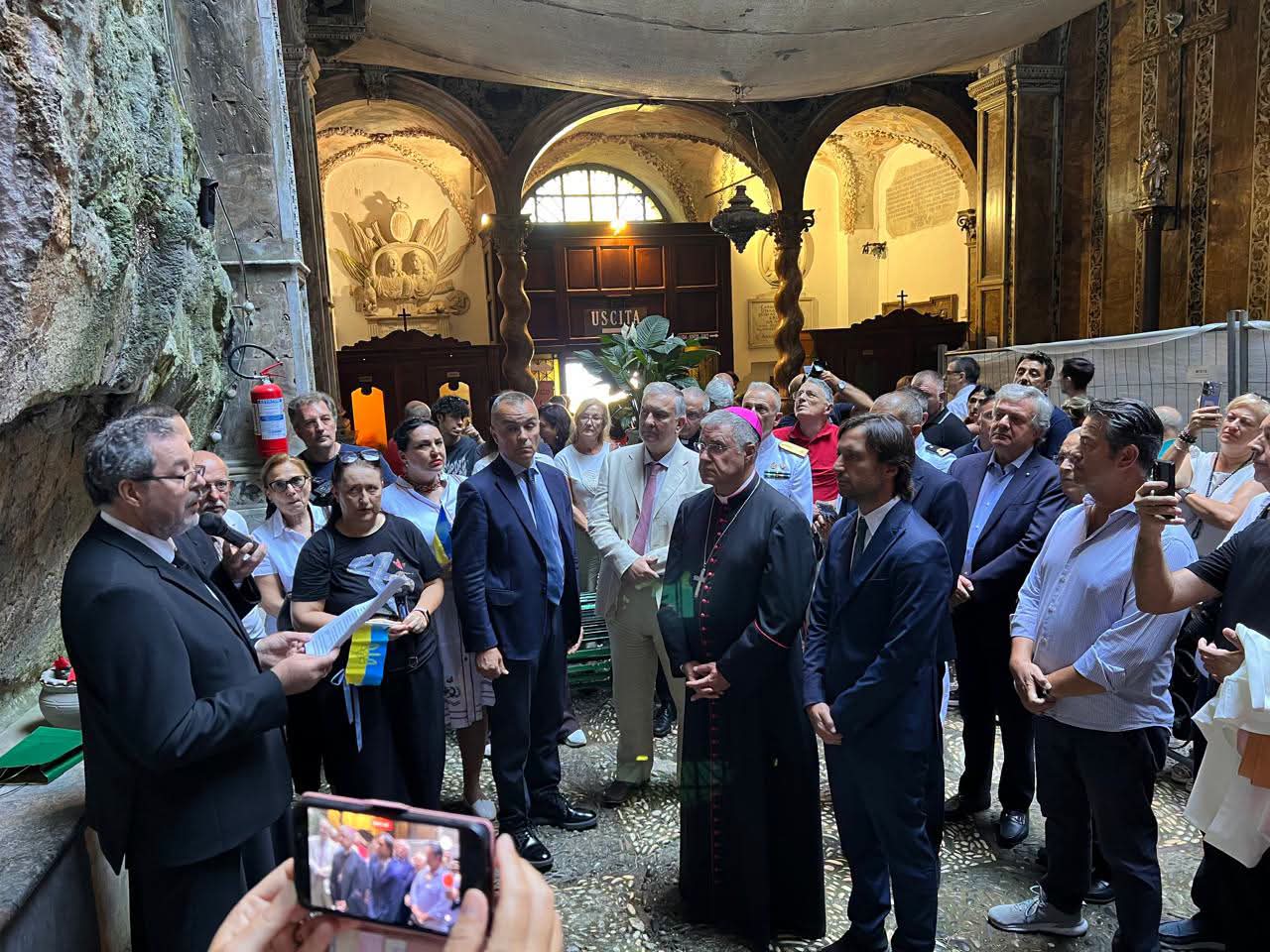
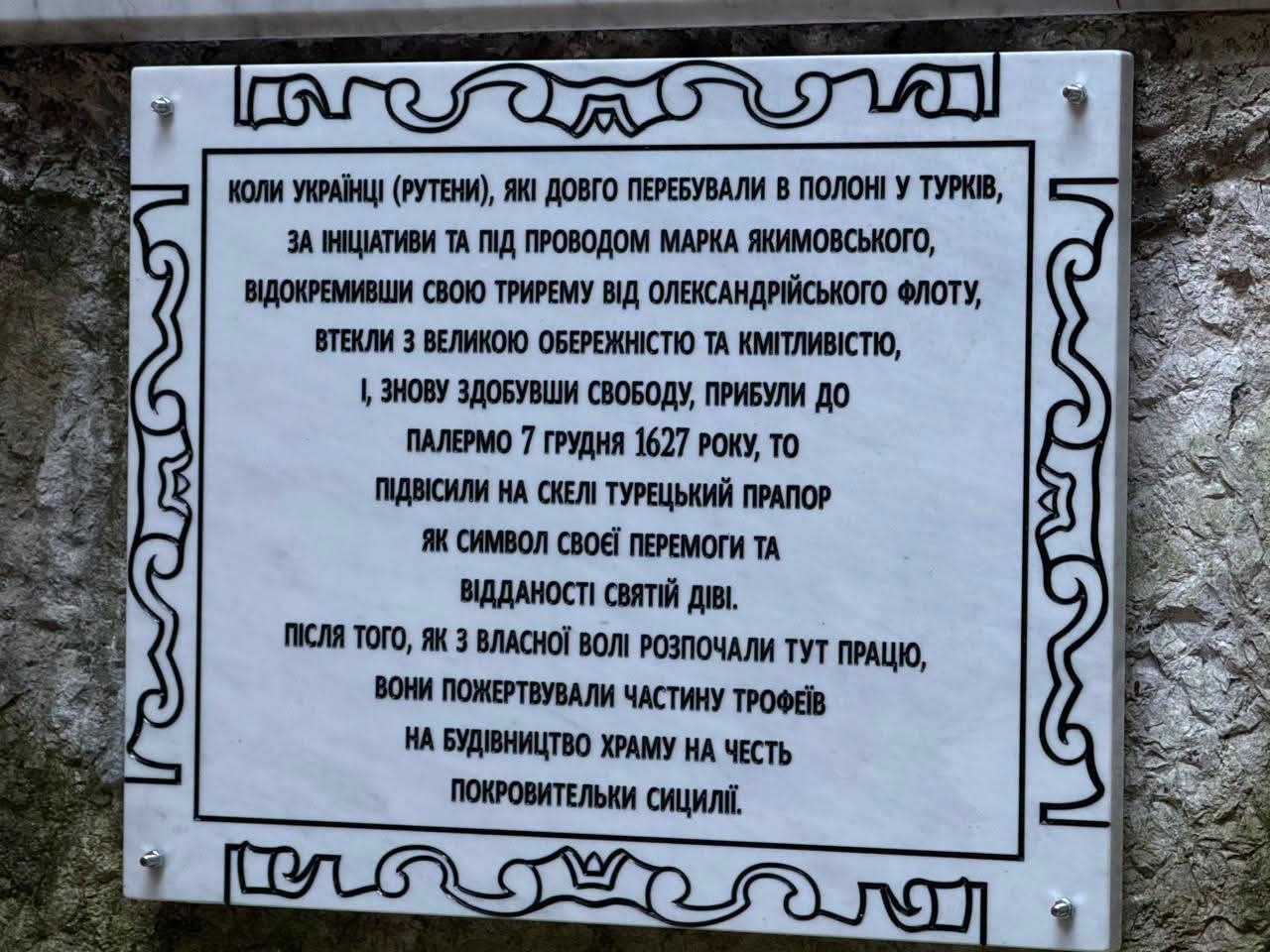
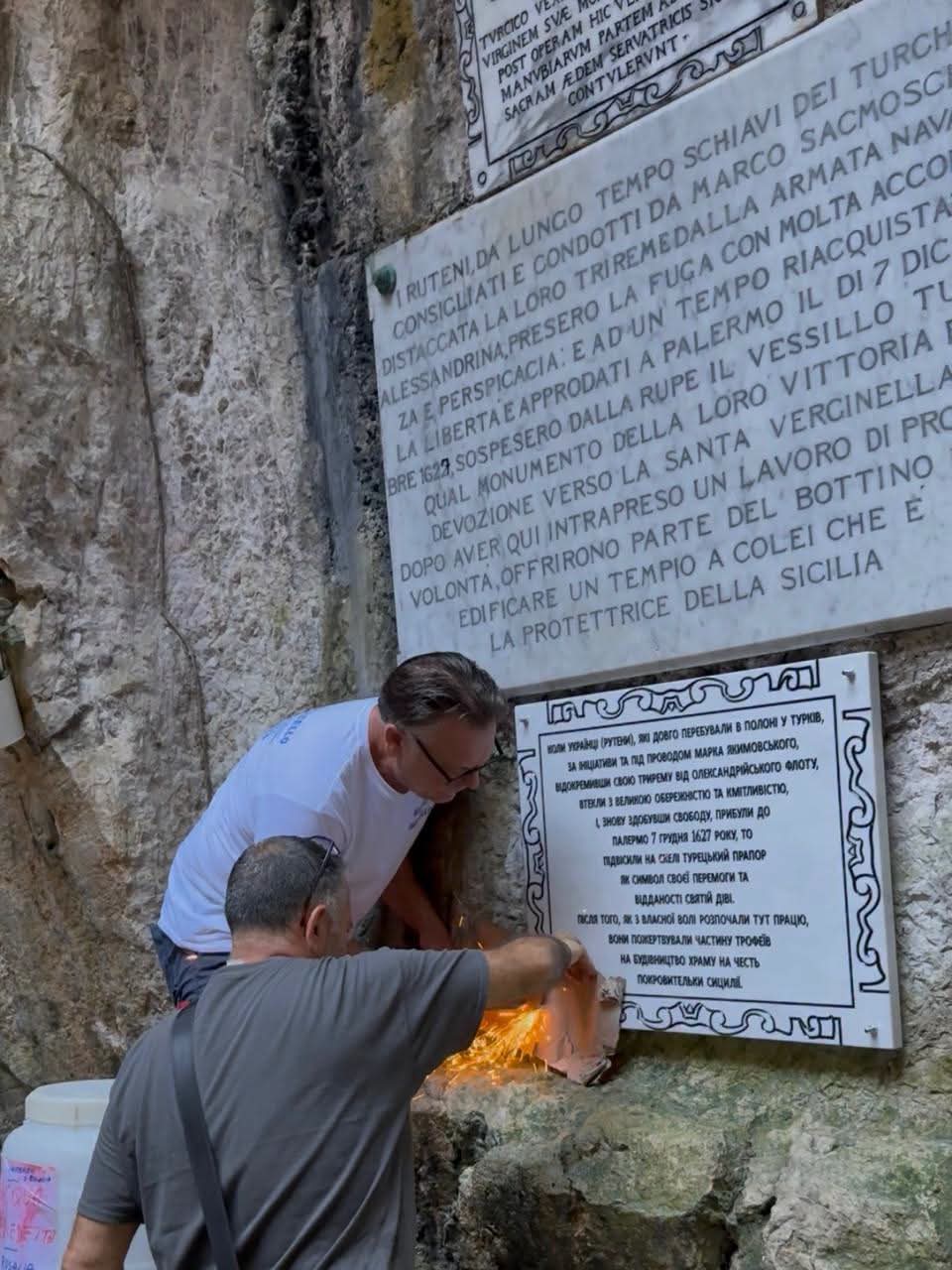
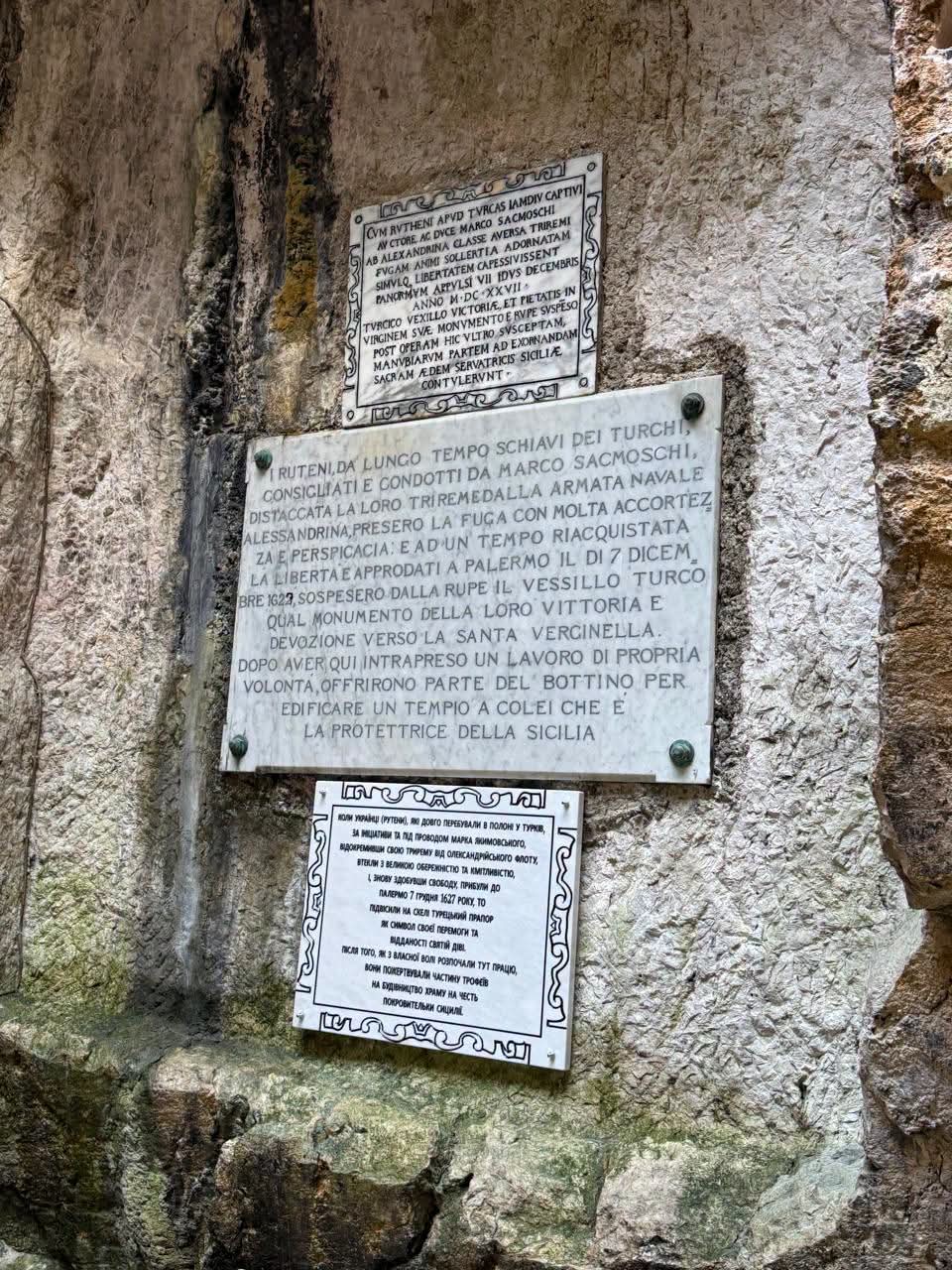
In Palermo, the capital of Sicily, a Ukrainian-language memorial plaque dedicated to the Cossacks was unveiled.
In the 17th century, after escaping Ottoman captivity, the Cossacks undertook a pilgrimage on foot and made a generous contribution toward the construction of the Sanctuary of Saint Rosalia on Mount Pellegrino. They donated part of their war spoils and voluntarily took part in the construction of the church, which today is Sicily’s most important sanctuary and a UNESCO World Heritage Site.
On December 7, 1627, Cossack leader Marko Yakymovskyi led a revolt aboard an Ottoman galley and freed 220 Christian captives, most of them Ukrainians. The Zaporozhian Cossacks had been forced to serve as galley slaves aboard one of the Ottoman Empire’s military vessels in the Aegean Sea. They seized the galley and, after a difficult sea voyage, reached the shores of Sicily.
Until recently, this historical event was commemorated at the sanctuary by only two memorial plaques — in Latin and Italian. Historian Volodymyr Holobutskyi translated their inscription as follows: “The Ruthenians, held captive by the Turks, under the leadership of Marko Sakmovskyi, devised a skilful escape when their three-deck war galley became separated from the others. Having freed themselves, they arrived in Palermo. In honour of their victory over the Turks and in devotion to the Holy Virgin, they erected the galley as a monument on the rock. Voluntarily remaining here to work, they donated part of their war spoils toward the construction of a chapel dedicated to the patron saint of Sicily.”
The new plaque commemorates the achievements of the Ukrainians and conveys the meaning of the existing inscriptions while incorporating findings from contemporary historical research. In particular, it clarifies the date of the event and identifies the Cossack leader as Marko Yakymovskyi.
The production and installation of the memorial plaque were funded by the Kozytskyi Charity Foundation.
The initiative was implemented with the support of Andrii Yurash, Ambassador of Ukraine to the Holy See and the Sovereign Order of Malta; his wife, Diana Yurash; Zinovii Kozytskyi, founder of the Kozytskyi Charity Foundation; and Khrystyna Berehovska, director of Zenyk Art Gallery.
The unveiling ceremony, held on September 4, was attended by Andrii Yurash, Ambassador of Ukraine to the Holy See and the Sovereign Order of Malta; Corrado Lorefice, Archbishop and Metropolitan of Palermo and Primate of Sicily; representatives of the Ukrainian community and local and regional authorities; clergy; and numerous pilgrims.
“Projects like this are fundamentally important and have a significant conceptual impact in identifying and supporting key symbols of Ukrainian identity,” emphasized Andrii Yurash, Ambassador of Ukraine to the Holy See and the Sovereign Order of Malta.
“We must remember and preserve landmark historical events, because they shape not only our national identity, but also our understanding of Ukraine’s presence and place in European history,” emphasized Zinovii Kozytskyi, founder of the Kozytskyi Charity Foundation.
Photo: Ministry of Foreign Affairs of Ukraine
Other news